Gynecomastia Treatment
At H/K/B Cosmetic Surgery in Oklahoma City, gynecomastia is treated by Dr. Tim Love and Dr. Kenny Quang, who work together to deliver personalized, natural-looking results using advanced technologies and thoughtful surgical planning.
Dr. Love is a board-certified plastic surgeon and has helped pioneer many of the technologies used in modern body contouring, including being the first practice in Oklahoma City to offer InMode’s BodyTite. With more than 30 years of experience, he remains at the forefront of innovative aesthetic techniques.
Dr. Quang brings extensive national surgical training and a deeply patient-centered philosophy to every case. An Oklahoma native, he is committed to helping patients feel more comfortable and confident in their bodies through thoughtful, individualized care.
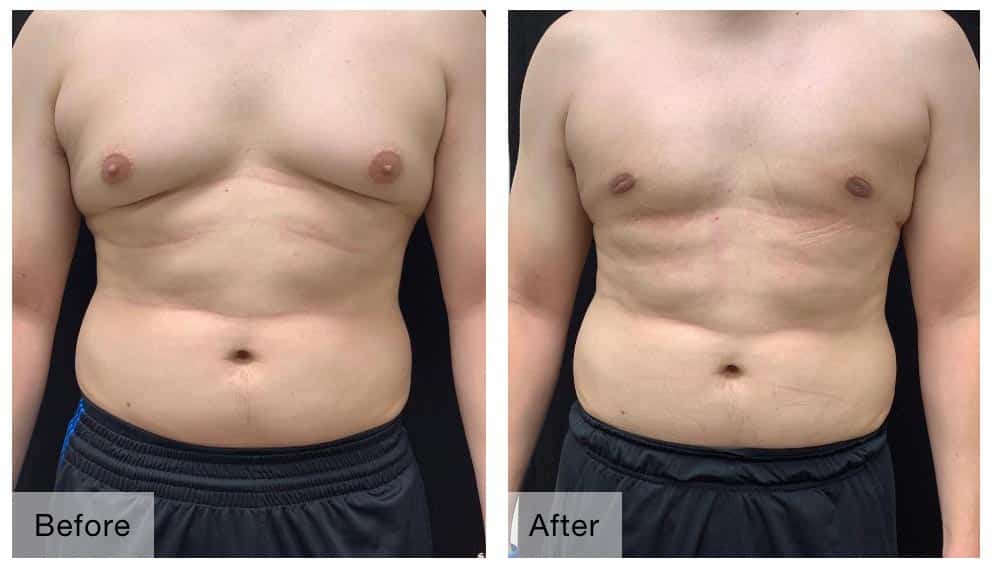
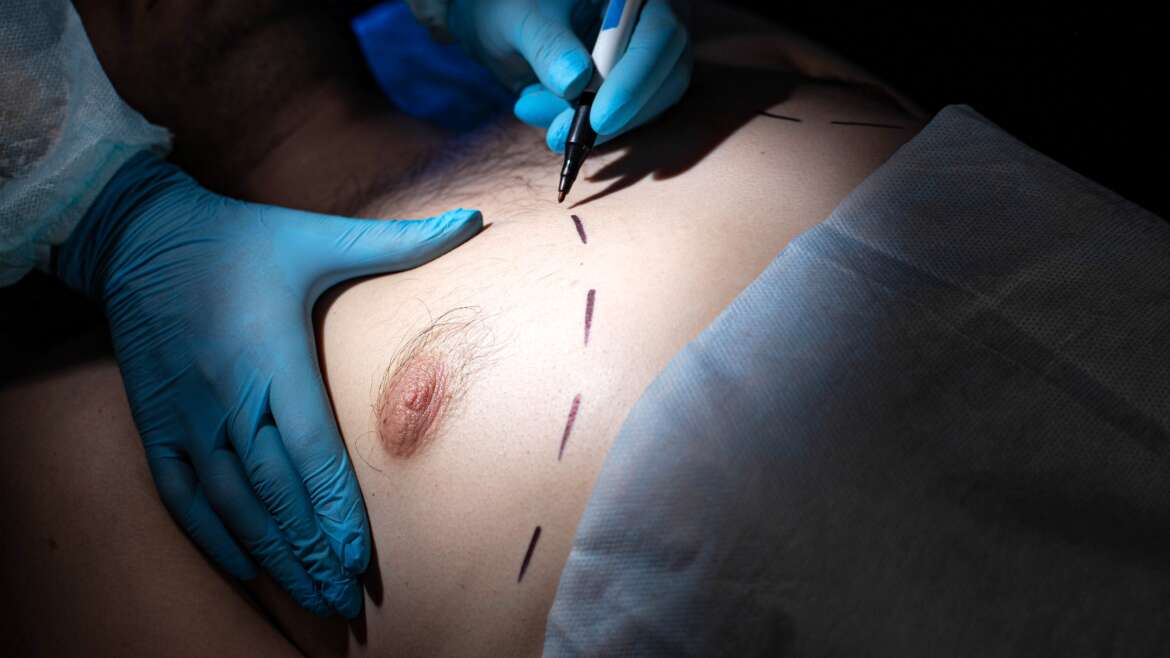
Their comprehensive approach to gynecomastia treatment often includes radiofrequency energy from BodyTite to tighten the skin and address glandular tissue, followed by liposuction to remove excess fat. Smaller, carefully placed incisions are used whenever possible to minimize visible scarring. For patients with greater skin laxity, a follow-up treatment with Morpheus8 may be recommended to further tighten and refine the chest contour.
This layered, technology-driven approach is designed to create a smoother, more masculine chest profile with natural, long-lasting results.
Pricing & Consultation
Gynecomastia treatment typically starts at $9,000, and financing options are available.
To learn more or to schedule your personalized consultation, call 405-751-5683 or complete the form below. Our team will be happy to walk you through your options and help you take the next step with confidence.
Gynecomastia Procedure
Some men experience a problem with enlarged or excess breast tissue called gynecomastia. This condition, which can be present in one or both breasts, occurs for a number of reasons, including hormonal changes, heredity, or side effects from certain drugs. Characterized by excess localized fat, excess glandular tissue, or a combination of both, gynecomastia can cause embarrassment and self-consciousness.
Gynecomastia treatment Options
Treating gynecomastia involves removing excess fat and glandular tissue while reshaping the chest for a flatter, more masculine contour. Depending on your anatomy and goals, treatment may include:
• Liposuction
• Surgical excision of glandular tissue
• BodyTite® for skin tightening and contour refinement
• Or a combination of these approaches
In some cases, adolescents who undergo treatment may require a secondary procedure later in adulthood as their bodies continue to change.
At H/K/B Cosmetic Surgery in Oklahoma City, gynecomastia procedures are performed by Dr. Tim Love and Dr. Kenny Quang, who work together to create personalized treatment plans based on each patient’s needs, body type, and degree of tissue excess. Their goal is always to achieve natural-looking, confidence-restoring results with minimal scarring and downtime.
Schedule Your Consultation
If gynecomastia is affecting your confidence, you don’t have to live with it. Dr. Love and Dr. Quang are here to help you feel comfortable, confident, and informed every step of the way.
Call 405-751-5683 today to schedule your consultation and learn more about your treatment options.
Schedule your Gynecomastia Consultation Today!