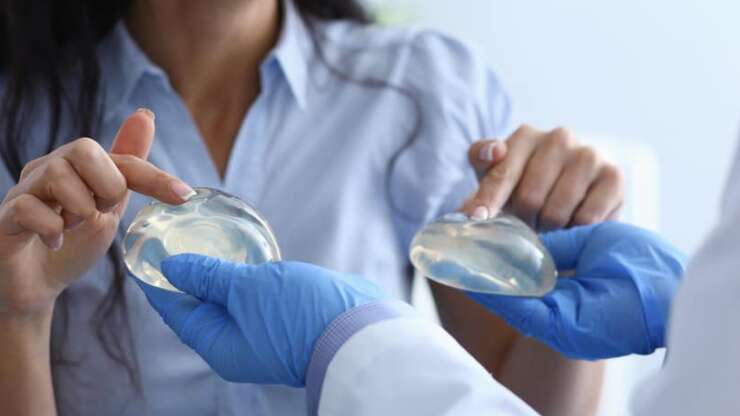
Whether you’re looking to restore volume lost due to pregnancy, breastfeeding, or age, or if you simply want to boost your self-confidence, breast augmentation can help give you the beautifully shaped body you’ve always wanted. Breast augmentation is a surgical procedure that uses implants, fat grafting, or a combination of both to change the shape and size of your breasts, and it’s one of the most common and most popular cosmetic procedures.
However, with estimates ranging from $5,000 to nearly $13,000, varying widely by who you ask or what website you visit, it can be difficult to determine just how much breast implants cost.
In Oklahoma, for example, where you’ll find some of the country’s most affordable plastic surgery services, the average cost of breast implant surgery can be anywhere between $6,500 and $12,500, well below the national average. However, that is just an average and doesn’t always include the various fees and expenses associated with breast implants; breast augmentation is highly individualized, so what one woman pays for hers may not be what you pay for yours. Moreover, more important than the cost of your procedure is the skill and experience of the cosmetic surgeon.
For the best and most accurate cost estimate for your breast augmentation, it’s always best to schedule a consultation with an experienced, board-certified plastic surgeon like Tim R. Love, MD, of Love Plastic Surgery & Aesthetics in Oklahoma City. By meeting with a doctor in person, you can get a personalized quote and a better sense of what your breast augmentation will cost and entail. At Love Plastic Surgery & Aesthetics, breast augmentation surgery using round gel implants typically starts at around $5,500, while gummy bear (cohesive gel) implants start at around $6,700. In addition, breast implant patients of Love Plastic Surgery & Aesthetic benefit from Dr. Love’s more than 30 years of experience as one of the region’s premier plastic surgeons.
What is Included in the Cost of a Breast Augmentation
The total cost of your breast implants will include several variables, including:
Consultation fee
The decision to charge a consultation fee is at the discretion of the plastic surgeon, so the standard and the rate will vary depending on the practice. However, because a surgeon’s time and expertise are valuable, a modest consultation fee is often enough to make sure a patient is a seriously interested candidate before she is scheduled for the procedure. In some cases, surgeons will apply consultation fees towards scheduled treatment.
The surgeon’s fee
This is a fee that compensates the surgeon and is based on the surgeon’s experience and the type and complexity of procedure that will be used for the augmentation. According to the American Society of Plastic Surgeons, the national average surgeon’s fee is between $4,294 and $4,866.
Dr. Love is board-certified by the American Board of Plastic Surgery and is a member of both the American Society for Aesthetic Plastic Surgery and the American Society of Plastic Surgeons.
Hospital or outpatient surgery center facility fees
Breast augmentation surgery should be performed in a hospital or outpatient surgery setting, and there are fees for using the operating space that include the costs for the facility as well as the prep and observation time involved in surgical patient care.
Dr. Love is credentialed and performs the vast majority of his surgeries at the state-of-the-art Oklahoma Surgicare, which boasts sophisticated patient support resources, technical equipment, and instrumentation, as well as a highly-skilled team of anesthesiologists, registered nurses, and other qualified medical personnel specially trained in surgical recovery and care.
Anesthesia fee
Anesthesia fees vary from practice to practice based on different factors. Some plastic surgeons employ a single anesthesiologist for all cases. In other practices, anesthesia groups affiliated with the surgical center provide services and set fees. Additionally, some plastic surgeons offer local anesthetic plus sedation for breast augmentation surgery, most experienced surgeons—including Dr. Love—use general anesthetic provided by a board-certified anesthesiologist.
Dr. Love’s breast augmentation patients will be under the skilled and supervised care of some of the best board-certified anesthesiologists in the Oklahoma City area at Oklahoma Surgicare.
The cost of the implants themselves
How much your implants cost will largely be determined by the type selected and the specifics of the materials used for the implants. On average, saline implants cost $1000 per pair, while silicone implants cost $2000 per pair. Gummy bear implants, also known as cohesive gel implants, provide the most realistic results, but tend to be the most expensive, averaging at least $2000 per pair.
Surgical garments
A surgical garment is applied to the operative site and provides medical-grade compression to aid in recovery and healing. Surgical garments or medical grade compression wraps provide safe and effective compression in an ideal manner to help implants settle naturally, limit swelling, and shorten recovery time.
Other factors that should be considered when determine the cost of your breast implants are the costs include post-op items that may not be costly in and of themselves, but can add up quickly, such as:
- Prescriptions for pain medication
- Post-surgery garments
- Scar cream or silicone gel sheets
What Can Affect the Cost of Breast Augmentation
The actual cost of breast augmentation will depend on the surgery type, implant type, and many other factors, like:
The type of implant
Each type of implant has its own benefits, and it’s important to choose an implant type based on thorough consultation from a board-certified plastic surgeon like Dr. Love as well as your personal preference about how they look and feel.
Dr. Love has extensive experience in gummy bear (cohesive silicone gel) implants, which are anatomically shaped with a textured surface that is less likely to cause rippling or wrinkling of the skin. He was one of the first plastic surgeons in the country to introduce these revolutionary implants to U.S. patients, giving breast augmentation patients another option for more natural breast implant results.
The size and shape of your implants
Larger or more specialized implants may require additional materials and customization, which can in turn affect the overall price.
Augmentation techniques
This refers to whether the surgeon will enhance your breast with implants or through fat grafting/fat transfer, which uses fat tissue removed from another part of the body to augment the breasts. Fat grafting or fat transfer augmentation requires two separate procedures—liposuction to harvest the fat and then the placement procedure—so it takes more time in the operating room, increasing the cost. Placement techniques, whether implant placement (over or under the muscle) or incision placement (in the breast fold or areola) will also affect the complexity–and therefore the price–of your surgery.
Additional procedures
Breast augmentation is frequently combined with a lift to produce optimal results. While breast augmentation with a lift will cost more than breast augmentation alone, you will save money and downtime by combining the two surgeries while enjoying better, more precise results because the surgeon can adjust the implant size and position to complement the newly lifted breasts.
Timing
Many people choose to have their breast augmentation done in the winter when they have more time off, or so they can be fully recovered before summer. However, by electing to do your procedure in the spring or summer when there is less demand, you may be able to take advantage of reduced pricing.
Location
Breast augmentation in higher-demand metropolitan areas like Los Angeles or Dallas will cost more than somewhere like Oklahoma City. At Love Plastic Surgery & Aesthetics, our breast augmentation patients receive the benefit of professional, affordable services performed by one of the nation’s leading and most experienced plastic surgeons.
Experience of the surgeon
Surgeons with extensive experience, significant credentials, and specialized training will cost more than those with less experience or training. While this doesn’t mean that the most expensive surgeon is the one who’s right for you, it does mean that you’re likely to see higher prices from surgeons who charge more based on their level of expertise.
Dr. Love has pioneered cutting-edge breast augmentation technology and techniques for more than 30 years, and is a highly qualified and skilled specialist in breast procedures. His expertise ensures every patient receives tailored treatment and beautiful, natural results that will last for years.
The length of your procedure
The time needed for the procedure is usually fairly consistent and predictable, so you’ll have a good idea of what this charge will be before your surgery. However, if it lasts longer for some reason, that additional time in the operating room can increase the cost.
Implant replacement and correction surgeries
Breast implants are not lifetime devices, so you should make the assumption that you will have another breast surgery one day. As long as you are happy with how your implants look and you have no symptoms of rupture, you won’t have to have another one just because you’ve had implants for 10 years. However, if you do eventually need one, replacement and correction surgeries are highly individualized and more likely to include a breast lift, typically making them more expensive than an initial augmentation.
How to Make Breast Augmentation More Affordable
Health insurance will not typically cover cosmetic breast augmentation costs, related complications, or another surgery to revise their appearance, so you will be paying out of pocket. However, in addition to offering affordable breast augmentations, Love Plastic Surgery & Aesthetic has also partnered with several medical financing providers to allow for low-interest or interest-free financing of your procedure. These plans typically run for 12 months, allowing you to spread out your payment over the course of a year. Some even allow for no payments at all until the 12 months are over.
CareCredit
CareCredit offers patients a medical line of credit to help pay for healthcare expenses, including all types of cosmetic surgery and procedures. Unlike regular credit cards, CareCredit offers promotional financing options, including interest-free financing for a limited time, and you can finance up to 80% of your procedure costs, making payments in monthly installments. You can go to carecredit.com to prequalify.
Alphaeon Credit
Like CareCredit, Alphaeon Credit is specifically designed for healthcare expenses, including plastic surgery. It offers flexible payment options, including promotional financing with low-interest rates. You can visit goalphaeon.com to prequalify.
Here’s more on the benefits of financing your breast augmentation procedure.
Discover the Best Breast Augmentation Experience in Oklahoma City at Love Plastic Surgery & Aesthetics
Although price is important—and you don’t want to pay exorbitantly for breast implants—you shouldn’t choose a plastic surgeon for your breast implants based on cost alone. Breast augmentation can be a life-altering experience and requires careful research and consideration. To guarantee safe and beautiful results, you should always select a trained and experienced board-certified plastic surgeon who has a robust track record of patient success and whose methods and aesthetic style match your goals.
Dr. Tim R. Love’s dedication to detail, personalized care, and superior results have made him one of the top-rated and most highly sought-after surgeons for breast augmentation in the Oklahoma City area and beyond. He has spent his career committed to evidence-based and patient-centric cosmetic surgery, leading advancements that benefit all of his patients. He was selected to participate in the FDA’s historic CORE Gel Breast Implant study that introduced gel implants to U.S. patients and had continued to pursue industry-leading methods for helping women discover their most beautiful selves.

 Many women get a
 Would you let an untrained, untested laborer work on the plumbing in your home? Would you want that person swinging a wrench as they work their way through the pipes running underneath and through the place where you live? No? Then why would you allow a non-credentialed surgeon to work on your body?
 The dangers of skin cancer are something to remember all times of the year, not just when the sun is high and the rays are hitting us during the summer months. Dr. Tim Love of Oklahoma City supports the skin cancer prevention guidelines as established by the